
Imagine a world where a simple spit test could detect serious illnesses like cancer. No more needles, no more anxiety-inducing doctor visits — just a quick swab, and you’re on your way. Today, we explore the use of saliva to detect cancer.
Believe it or not, this future might be closer than you think.
As an oncologist, I couldn’t be more delighted.
Researchers are developing a revolutionary saliva test that has the potential to revolutionize disease detection, offering a painless and convenient way to identify a range of health concerns.
My Goals
In this article, we’ll delve deeper into this groundbreaking discovery.
We’ll explore the science behind the test, the potential diseases it could detect, and how it could transform the healthcare landscape.
Buckle up and get ready to explore the exciting world of disease detection through the power of spit.
Saliva 101
Did you know your mouth produces a surprising amount of spit? Up to one and a half liters each day.
And guess what?
This spit might hold clues to your health.

Here’s why:
- Our spit contains a mix of human stuff (proteins, DNA) and bacteria from our mouth.
- Scientists are looking at these components as potential signs of illness.
- The use of saliva to detect disease isn’t new — some recent COVID tests use saliva samples. Doctors are finding that saliva testing can be just as effective or even better than traditional blood draws.
Why is saliva so interesting for testing? There are a few reasons:
- It’s easy to collect — a simple swab is all it takes.
- No needles are involved, which can be a big plus for some people.
- Overall, it’s a more comfortable experience.
Saliva to Detect Cancer
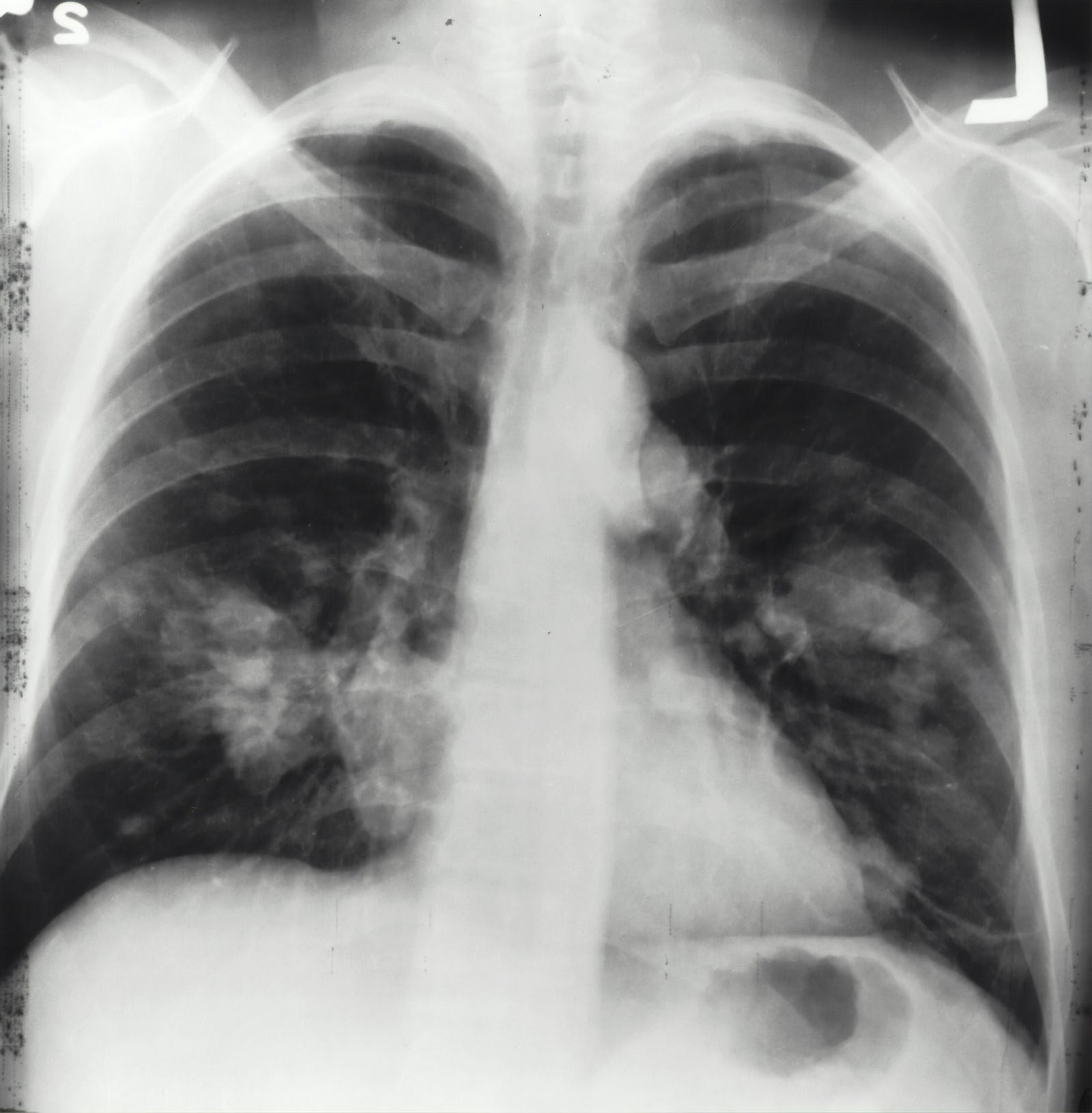
My medical colleagues can find lumps (masses) in the lungs, but they don’t always know if it’s cancer right away.
The current approach means multiple visits — one to find the lump and another later for a biopsy (tissue sample) if the lump grows.
Researchers are developing new saliva tests to improve cancer detection.
Imagine this: during the first visit, when the doctor finds the concerning tumor, they could also take a quick saliva sample.
Cancer Fingerprints in Saliva
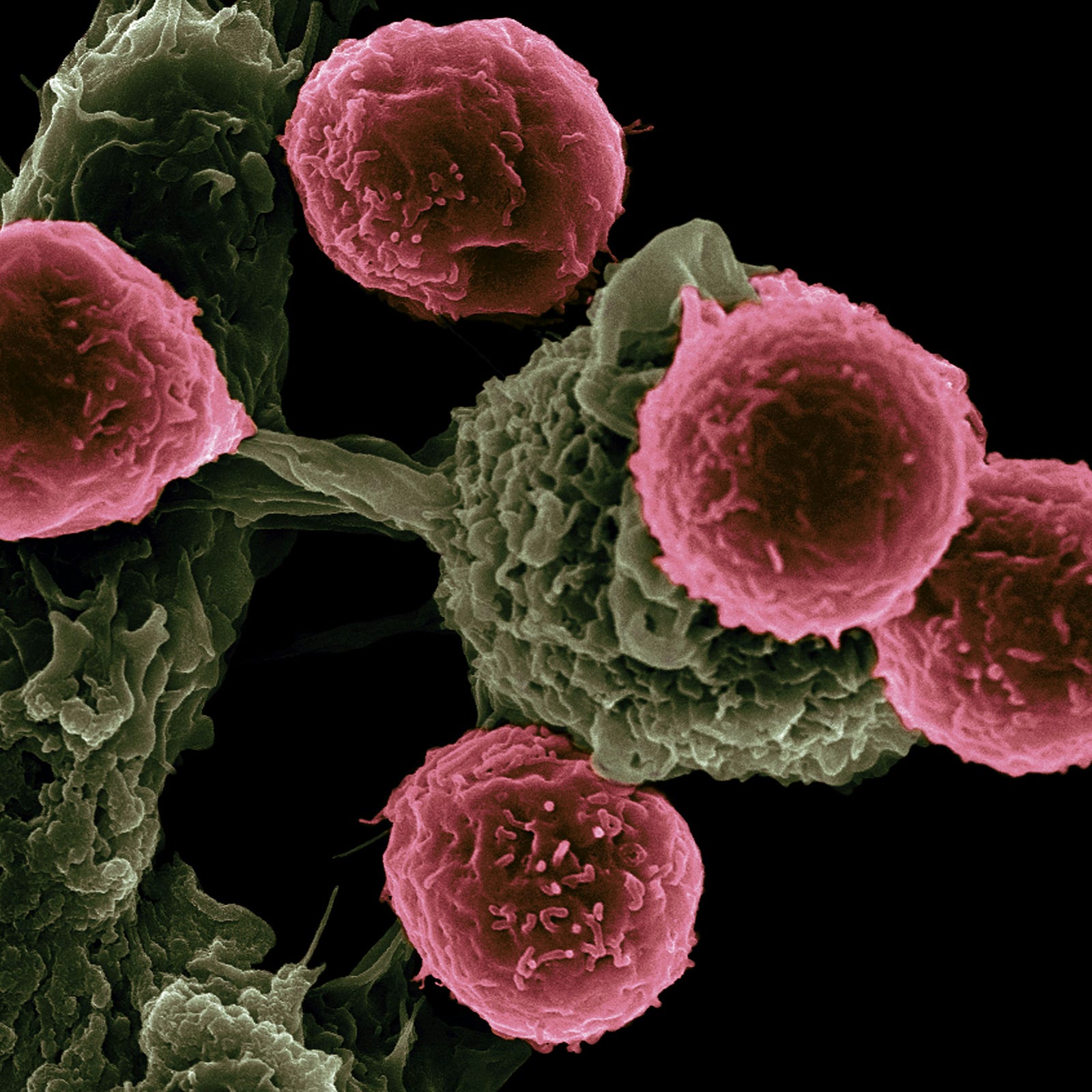
This saliva test would look for specific “fingerprints” that signal cancer.
If the test finds these “fingerprints,” a biopsy can be done immediately.
A liquid biopsy would save the patient time and anxiety of waiting.
Even better, these “fingerprints” might point to specific treatments that can extend a patient’s life.
Saliva to Detect Cancer: Not Yet Ready for Use
It’s important to remember that this is a new area of research, but it may someday revolutionize how we diagnose lung cancer and potentially other diseases.
We oncologists are beginning to use so-called liquid biopsies (for example, a blood sample containing cancer cells).
Liquid Biopsy: What It Is & Procedure Details
A liquid biopsy is a blood test that detects signs of cancerous tumors, including tumor cells and cancer cell DNA. It…my.clevelandclinic.org
Saliva diagnostics is a growing area of research that may someday allow the detection of systemic diseases (such as cancer) through simple saliva tests.
We are at the edge of a promising new era.
David Wong Lab
Imagine a world where a routine visit to the dentist saves your life. Imagine a world where doctors do not have to draw…dentistry.ucla.edu.
Thank you for reading “Saliva to Detect Cancer.”


