Browsing Tag

health

  • Coronavirus: How Long Does it Remain on Surfaces?

    April 7, 2026

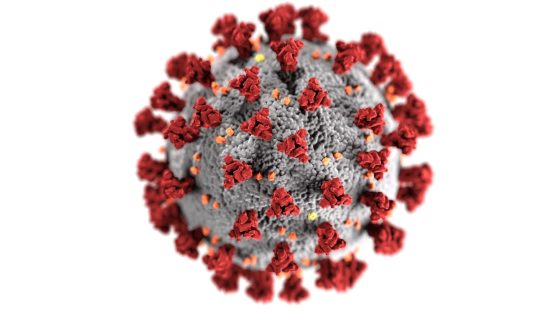
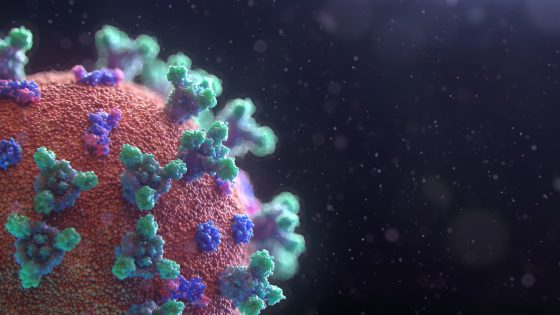
    New research, offered by investigators at the US National Institutes of Health/National Institute of Allergy and Infectious Diseases and ppublished in the prestigious New England Journal of Medicine, finds that the virus that causes coronavirus 2 (SARS-CoV-2) was detectable in aerosols for yp to three hours, up to four hours on copper, up to 24 hours on cardboard, and up to two to three days on plastic and stainless steel. Learn more here.

  • Nanopharmaceuticals: What and Why?

    April 6, 2026

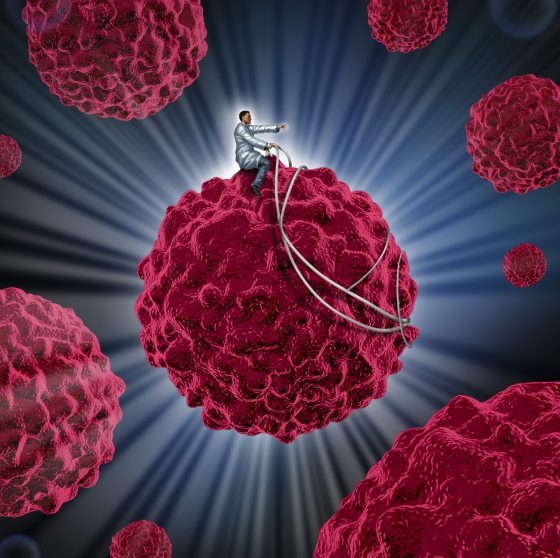
    Let’s turn away from the COVID-19 pandemic and look at some progress in the realm of cancer management. More specifically, I want to turn to nanotechnology and how it is improving cancer management. We’ll look at the basics of nanotechnology and nanopharmaceuticals, before turning to one particular success in this realm, Abraxane.

  • Face Masks in the Era of COVID-19

    March 31, 2026

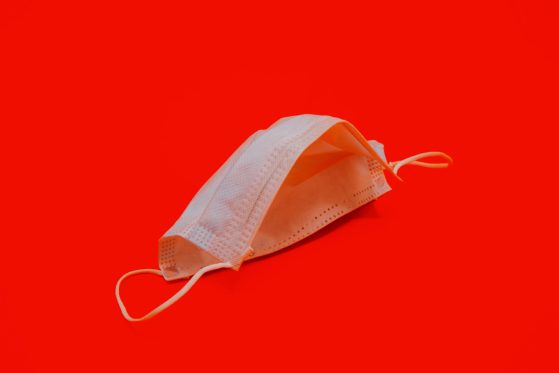
    Alas, the evidence that face masks provide effective protection against repiratory infections remains scarce, as acknowledged in the aforementioned recommendations from the United Kingdon and German, respectively. Of course, those of us who are medical professionals use them commonly as a part of droplet precautions when caring for those with respiratory infections.

  • Blood Sample Collection: Can a Robot Do It?

    March 30, 2026

    The robot uses ultrasound guidance to find the vein, punctures it with a needle, and then draws blood. A recent clinical promise illustrated the promise of such an approach, but more studies are needed before we can use it in clinical practice.

  • Sleep May Help You Avoid Coronavirus

    March 22, 2026

    Habitual short sleep is associated with a myriad of medical issues, including adverse cognitive, metabolic, cardiovascular, and inflammatory effects. Co-twi study methods account for familial (for example, genetics and shared environmental) confounding, allowing for the assessment of subtle environmental effects.

  • Charting the Human Genome: CRISPR Offers Hope

    March 17, 2026

    “For tumor sequencing in cancer patients, you don’t necessarily need to sequence the whole cancer genome,” says Winston Timp, Ph.D., assistant professor of biomedical engineering and molecular biology and genetics at the Johns Hopkins University School of Medicine. “Deep sequencing of particular areas of genetic interest can be very informative.”

  • Artificial Intelligence and Skin Cancer Diagnosis

    March 15, 2026

    One area that patients could not agree on was the accuracy of a diagnosis by AI. The authors noted that 69% said that the diagnosis would be the greatest strength, basing that on the ability to draw on more data and more experience. However, 41 patients viewed the accuracy of diagnosis as the greatest weakness, based on the possibility of false negatives, lack of context, and lack of physical examination among the answers given.