IN A MODERN WORLD BUSTLING WITH CHAOS, the quest for natural remedies to alleviate health concerns is more prevalent than ever. One remedy that has been gaining increasing attention is the soothing elixir tea. Today, I want to explore how you can unlock the power of tea for blood pressure control.
Did you know that tea consumption worldwide is second only to water? I am among its consumers.
Beyond its ability to comfort and invigorate, emerging research suggests that certain teas may possess properties beneficial for blood pressure control.
This essay explores the relationship between tea consumption and blood pressure regulation, delving into the scientific evidence that underscores tea’s potential as a calming force in a cup.
Understanding Blood Pressure
Before delving into the potential benefits of tea for blood pressure control, it’s crucial to comprehend the dynamics of blood pressure. I am at an age when blood pressure is increasingly on my radar.
Blood pressure is the force exerted by circulating blood against the walls of the arteries.

We measure it in millimeters of mercury (mmHg) and typically express it as two values: systolic pressure (the pressure when the heart beats) over diastolic pressure (the pressure when the heart is at rest between beats).
Normal blood pressure for most adults is a systolic pressure of less than 120 and a diastolic pressure of less than 80.
Dangers of High Blood Pressure
I regularly monitor my blood pressure. High blood pressure (hypertension) can quietly damage the body for years before symptoms develop.
According to the Mayo Clinic (USA), uncontrolled high blood pressure can lead to several health problems, including:
- Heart attack or stroke. Hardening of the arteries secondary to hypertension (or other factors) can lead to cardiovascular diseases such as heart attack or stroke.
- Aneurysm. Elevated blood pressure can weaken blood vessels and bulge, forming an aneurysm. If an aneurysm breaks open, it can threaten life.
- Heart failure. With high blood pressure, the heart works harder to pump blood. This strain causes the walls of the heart’s pumping chamber to thicken ((left ventricular hypertrophy). Eventually, the heart cannot pump sufficient blood to meet the body’s needs, resulting in heart failure.
- Kidney problems. High blood pressure can lead kidney blood vessels to become narrow or weak. Elevated pressure can lead to kidney damage.
- Eye problems. Increased blood pressure can cause narrowed, thickened, or torn eye blood vessels. Increased eye blood vessel pressure can cause visual loss.
- Metabolic syndrome. Metabolic syndrome is a group of disorders of the body’s metabolism. The syndrome involves the irregular breakdown of sugar (glucose). The syndrome includes high triglycerides, decreased high-density lipoprotein (HDL or “good”) cholesterol, high blood pressure, high blood sugar levels, and increased waist size. These conditions make you more likely to develop heart disease, stroke, and diabetes.
- Changes with understanding or memory. Excessively high blood pressure may affect thinking, learning, and remembering.
- Dementia. Narrowed or blocked arteries can decrease blood flow to the brain. The result can be a certain dementia type known as vascular dementia. A stroke that inhibits blood flow to the brain can also cause this condition.
Fortunately, lifestyle factors, including diet, exercise, and stress management, play significant roles in blood pressure regulation.
Unlock the Power of Tea - The Link With Blood Pressure
Tea, a beverage deeply embedded in various cultures across the globe, is rich in bioactive compounds with potential health benefits.
I am intrigued by the association between tea consumption and its impact on blood pressure.
While individual responses may vary, several studies suggest that regular tea intake may contribute to blood pressure control.
Before we look at what tea type might be best for lowering your blood pressure, let’s explore some of the substances in the beverage that may lead to improvements.
Beneficial Tea Ingredients — Polyphenols
One noteworthy component found in tea is polyphenols. Polyphenols are antioxidant compounds that exhibit anti-inflammatory properties and are abundant in certain types of tea, particularly green tea.
Polyphenols are plant secondary metabolites that exert several biological activities in plant defense, including antioxidant and antibacterial actions.
While a large variety is in plants, some also exert biological effects in humans.
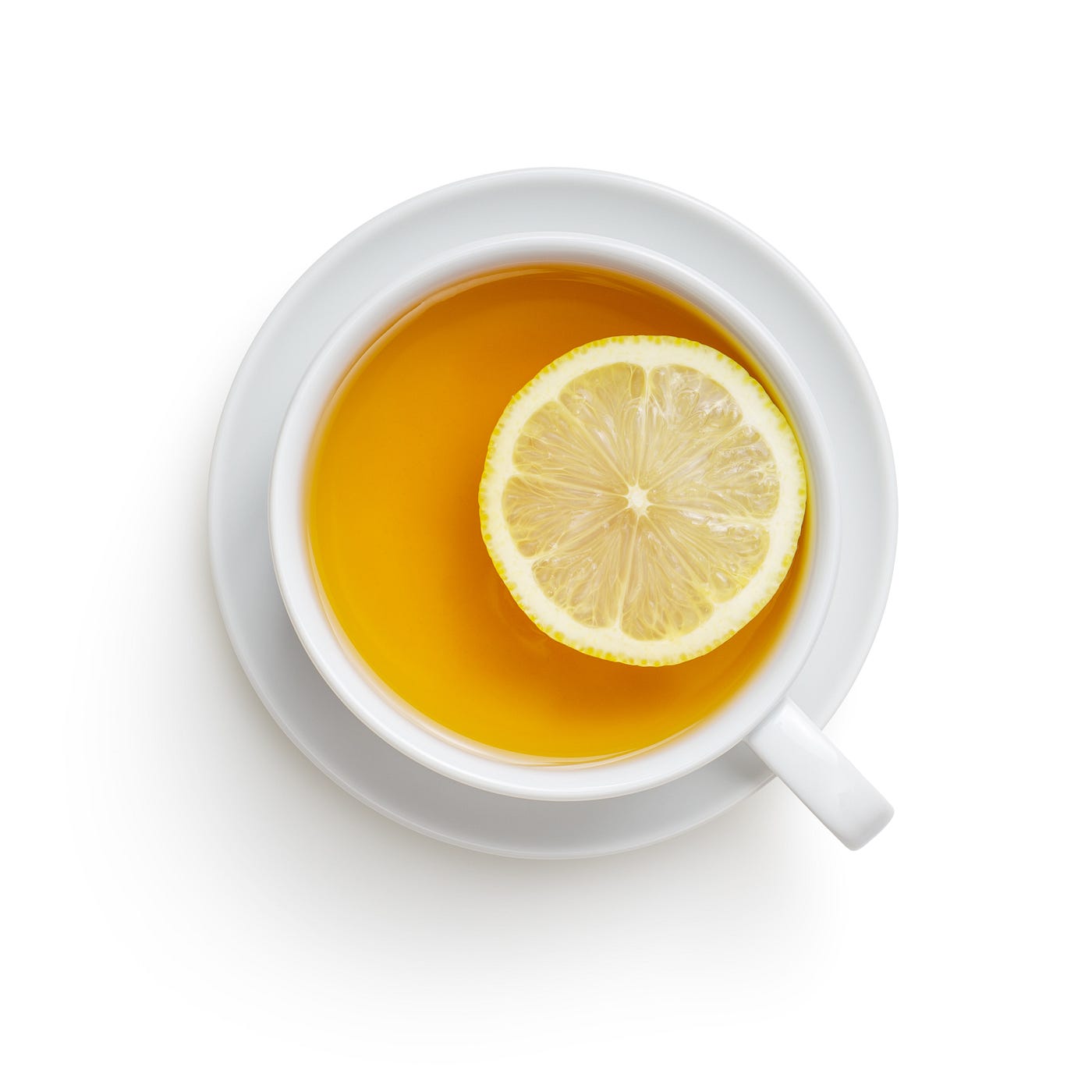
Based on their chemical structure, polyphenols have groups and subgroups, including the following:
- Flavonoids (including flavonols, flavan-3-ols, anthocyanidins, flavones, flavanones, isoflavones, and chalcones)
- “Non-flavonoids” comprise phenolic acids, tyrosols, stilbenes, lignans, saponins, and tannins.
Beneficial Tea Ingredients — Catechins
Catechins, a polyphenol found in tea, have been identified as key players in blood pressure regulation.
Epigallocatechin gallate (EGCG), a prominent catechin, has been the focus of numerous studies investigating its potential cardiovascular benefits.
A review published in the American Journal of Clinical Nutrition synthesized evidence from randomized controlled trials and observational studies, suggesting that catechin-rich tea, particularly green tea, may contribute to lowering blood pressure.
The mechanism through which catechins exert their blood pressure-lowering effects is multifaceted.
Firstly, these compounds enhance nitric oxide production, a molecule that relaxes and dilates blood vessels, promoting better blood flow.
Additionally, catechins may exhibit anti-inflammatory effects, reducing oxidative stress and inflammation and contributing to elevated blood pressure.
Tea and Blood Pressure
A meta-analysis published in the European Journal of Epidemiology highlighted the potential of green tea in lowering both systolic and diastolic blood pressure.
The study, which aggregated data from various trials, concluded that the regular consumption of green tea could contribute to a modest reduction in blood pressure. However, the evidence is limited.
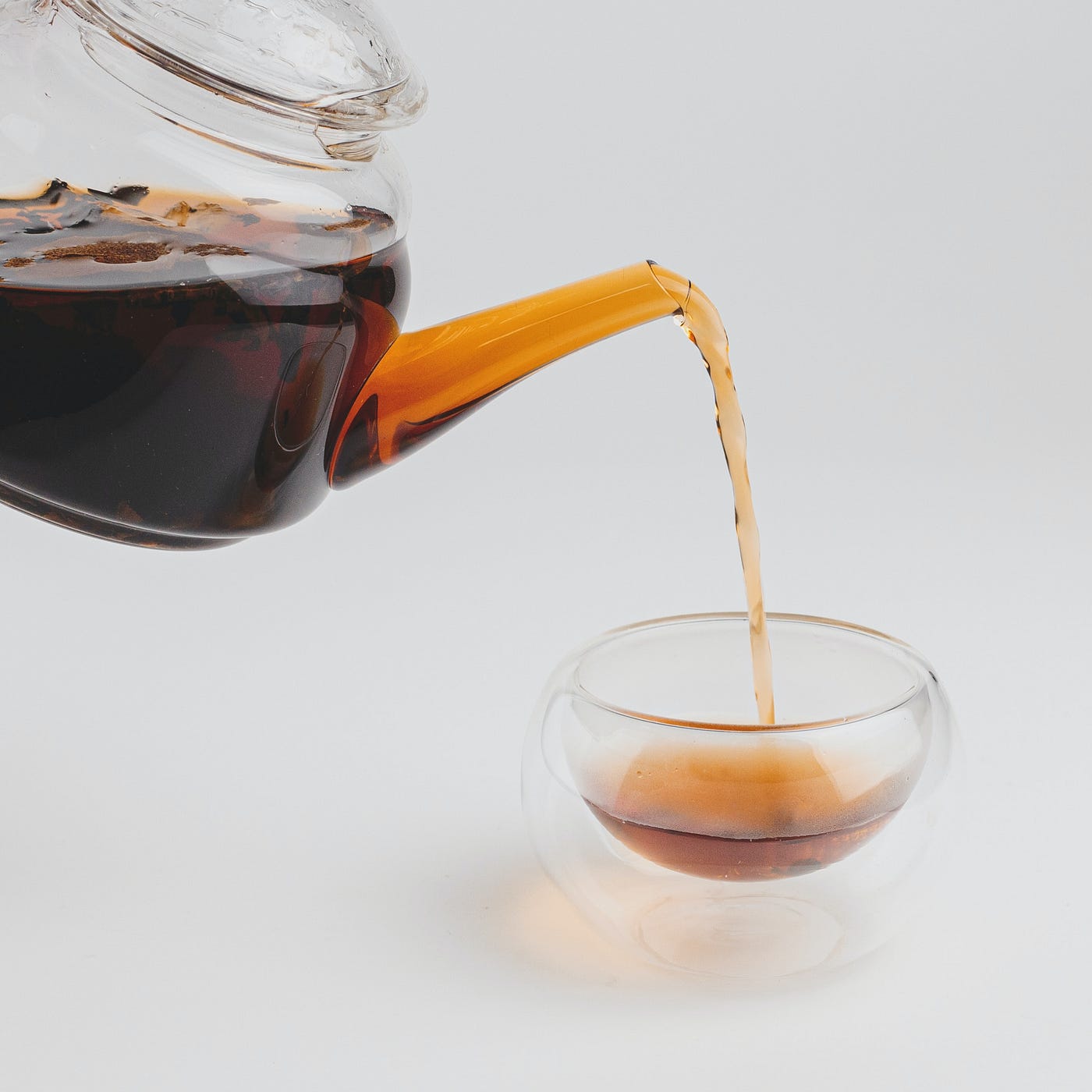
Furthermore, another widely consumed variety, black tea, has been under the scientific spotlight.
A randomized controlled trial published in the Archives of Internal Medicine demonstrated this:
Drinking black tea for six months significantly decreased blood pressure compared to a control group.
The researchers attributed this effect to black tea’s polyphenols and other bioactive compounds.
Unlock the Power of Tea - Choosing the Right Tea
Not all teas are created equal when it comes to blood pressure regulation. While green and black tea have shown promise in scientific studies, other varieties, such as herbal teas, may not have the same impact.
For instance, a study published in 2019 in J Adv Pharm Technol Res found this:
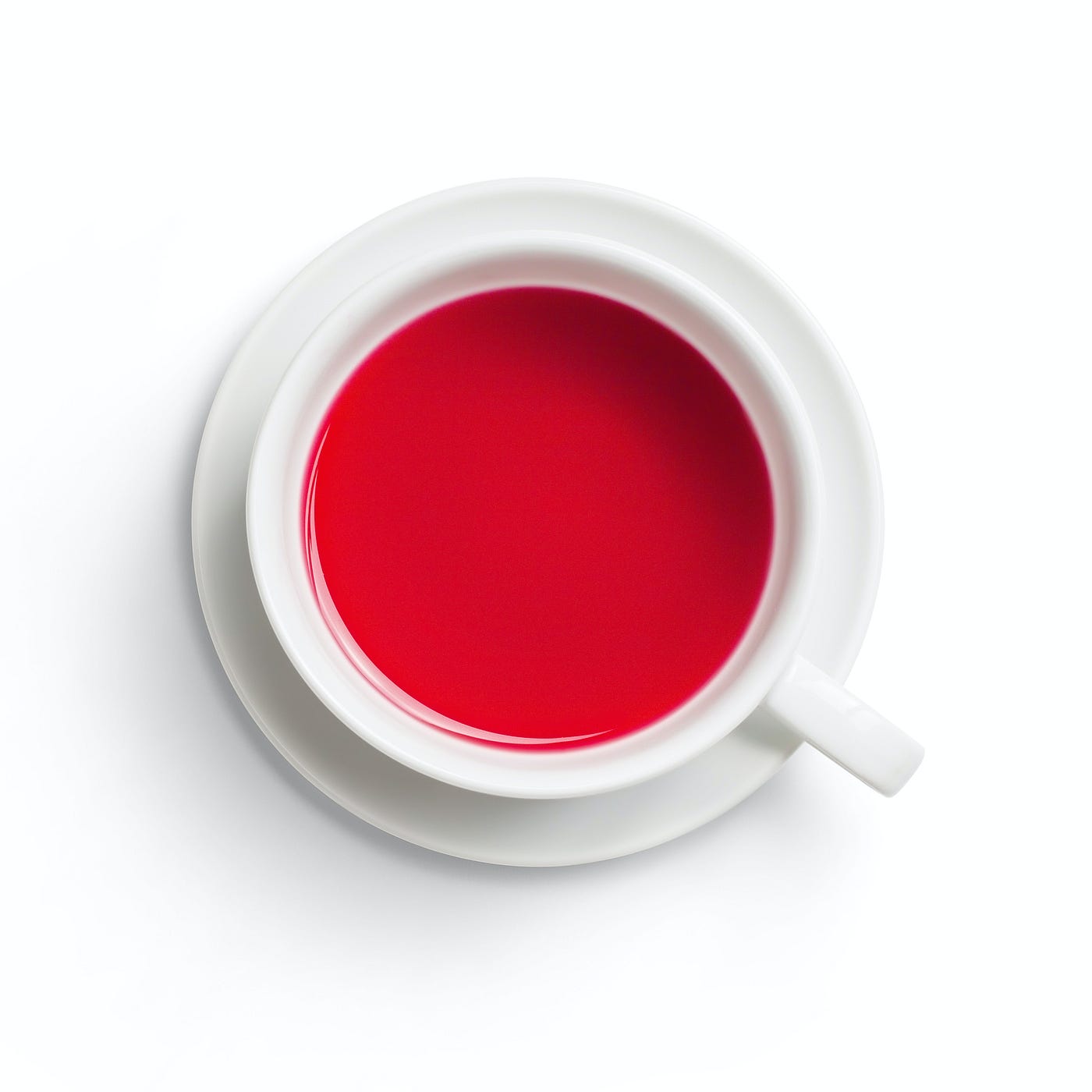
Hibiscus tea, known for its vibrant color and tart flavor, significantly reduced systolic blood pressure among hypertensive individuals.
However, it’s essential to exercise caution and consult with healthcare professionals, especially for individuals with pre-existing medical conditions or those taking medications.
Tea is a complementary approach to a healthy lifestyle rather than a standalone solution for managing blood pressure.
Incorporating Tea into a Healthy Lifestyle
While the potential benefits of tea on blood pressure are promising, it’s crucial to recognize that no single dietary or lifestyle change is a panacea for health issues.
Adopting a holistic approach that includes regular exercise, a balanced diet rich in fruits and vegetables, and stress management techniques is paramount.
Many of us can seamlessly integrate tea into a healthy lifestyle. Instead of viewing it as a therapeutic intervention, consider it a pleasurable habit that aligns with broader wellness goals.
Experiment with different types of tea to find the flavors and varieties that resonate with your palate.
How I Use Tea
I turn to several types of tea to help keep my blood pressure within normal limits.
Hibiscus tea
It’s a bit tart and slightly sour. But I love that hibiscus tea has compounds (including polyphenols and anthocyanins) that may relax my blood vessels.
A 2019 study suggests that regular hibiscus tea consumption may lower blood pressure.
Green tea
I am not a big green tea fan (in part because I don’t tolerate caffeine well). I may need to consider increasing my consumption of the decaffeinated variety, as green tea has potentially blood pressure-lowering catechins.
A 2023 study involving more than 76,000 participants in Southwest China suggests that green tea consumption can drop in systolic blood pressure.
Chamomile tea
This mild and calming tea — with its flavonoids, coumarins, and terpenoids — can help improve my blood pressure.
I also look forward to trying olive-leaf tea. A small 2017 study of 31 individuals discovered that individuals consuming this tea for 28 weeks had drops in systolic and diastolic blood pressure within four weeks.
Finally, Hawthorn berry tea may help lower my blood pressure. I have yet to try it, but I saw that a 2020 review of four randomized controlled trials showed the benefits of the tea.
Conclusion: Unlock the Power of Tea
In the quest for natural remedies to support health and well-being, tea emerges as a compelling contender in blood pressure control.
Research suggests that the polyphenols, particularly catechins, found in certain teas may contribute to regulating blood pressure.
However, it’s essential to approach these findings with a nuanced perspective, recognizing that individual responses may vary.
Tea, with its rich cultural significance and diverse array of flavors, has the potential to be more than just a comforting beverage.
It can be a mindful addition to a health-conscious lifestyle, contributing to the overall well-being of individuals.
So, savor the taste and potential health benefits the next time you reach for a cuppa — making it a truly calming experience in a cup.
Do you drink tea? If so, what kind do you prefer?
Thank you for reading “Unlock the Power of Tea.” One more thing: