
Habitual short sleep is associated with a myriad of medical issues, including adverse cognitive, metabolic, cardiovascular, and inflammatory effects. Co-twi study methods account for familial (for example, genetics and shared environmental) confounding, allowing for the assessment of subtle environmental effects.
-
-
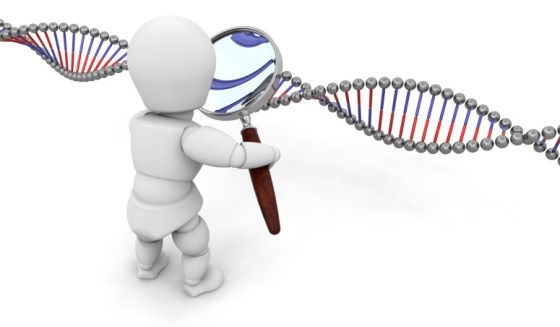
“For tumor sequencing in cancer patients, you don’t necessarily need to sequence the whole cancer genome,” says Winston Timp, Ph.D., assistant professor of biomedical engineering and molecular biology and genetics at the Johns Hopkins University School of Medicine. “Deep sequencing of particular areas of genetic interest can be very informative.”
-
One area that patients could not agree on was the accuracy of a diagnosis by AI. The authors noted that 69% said that the diagnosis would be the greatest strength, basing that on the ability to draw on more data and more experience. However, 41 patients viewed the accuracy of diagnosis as the greatest weakness, based on the possibility of false negatives, lack of context, and lack of physical examination among the answers given.
-
Kitchen sponge/rag. According to NSF International, the filthiest thing in your house is your kitchen sponge. Of the 81% of families that had coliform bacteria in their homes, over 75% had the bacteria on their dish sponges or rags. Gets worse. Of the 31% households in which yeast and mold were present, 86% had sponges that held these fungi. And, in homes where S. aureus was found, 18% had the bacteria on their dish sponge/rags.
-
The researchers found that the participants had an average 17% increase in tau blood levels after a night of sleep loss vs. an average 2% increase in tau levels after normal sleep. The four other measured biomarkers exhibited no changes in levels between normal sleep and sleep loss.
-
A study from the European Journal of Pain showed, using an animal model, CBD applied on the skin could help lower pain and inflammation due to arthritis.
Another study demonstrated the mechanism by which CBD inhibits inflammatory and neuropathic pain, two of the most difficult types of chronic pain to treat. More study in humans is needed in this area to substantiate the claims of CBD proponents about pain control. -
Those who consumed the most ultra-processed foods (about twenty-two percent of their diet) had a higher risk for developing diabetes compared with those who ate the least amount of ultra-processed foods (about eleven percent of their diet).
-
It turns out the original basis for this 10,000-step guideline was really a marketing strategy,” she explains. “In 1965, a Japanese company was selling pedometers, and they gave it a name that, in Japanese, means “the 10,000-step meter.”