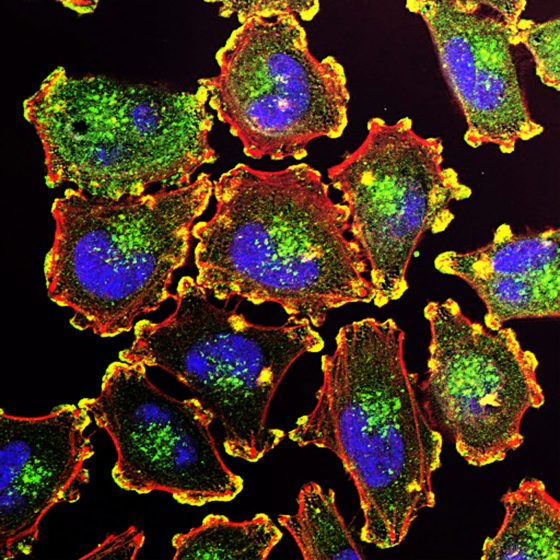
How can we use artificial intelligence to diagnose cancer? The US Department of Defense has recently awarded a contract to Google to develop a…
How can we use artificial intelligence to diagnose cancer? The US Department of Defense has recently awarded a contract to Google to develop a…
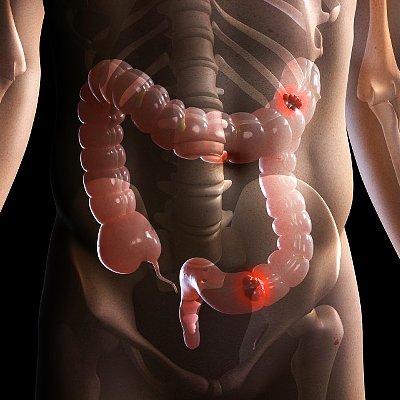
For those younger than 55 years old, colorectal cancer incidence has increased by 2 percent annually.
The OncCOVID app uses national cancer data sets to estimate the risk from delayed (versus immediate) treatment. The calculator takes into account a patient’s characteristics, in addition to the local impact of COVID.
How do we balance the risk of going to the hospital (with its attendant COVID risk) and the potentially adverse effects of delaying cancer management? Many healthcare facilities have put patients into one of three groups:
- treat
- delay a little
- delay a lot
Not exactly a sophisticated analysis, I would offer. Now, we have a new app.

Let’s look at one example of the remarkable innovation of the scientists. They integrated the sensors into clothing, with the flexible threads covered with conductive inks. One thread can measure pH, as the scientists covered it with a material (polyaniline) that responds to acidity. Another thread measures lactate, with the aid of the enzyme lactate oxidase.
Exercise Drops Your Breast Cancer Risk
Physical activity is any movement that uses your skeletal muscles. It requires more energy than does resting. Such activities…
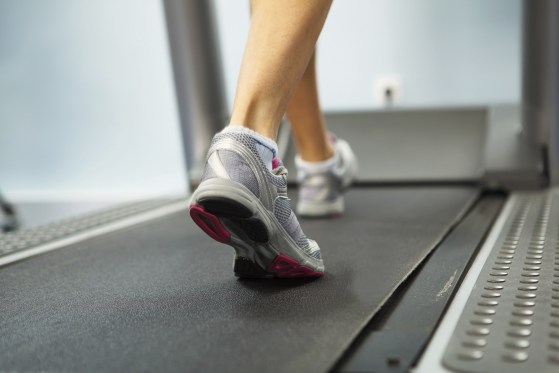
High-intensity interval training appears to provide more benefits on both aerobic and anaerobic systems than moderate-intensity exercise. Now let’s get more practical.

Physical activity, when added to usual medical care, appears to improve mental well-being for those at high risk for suicide.
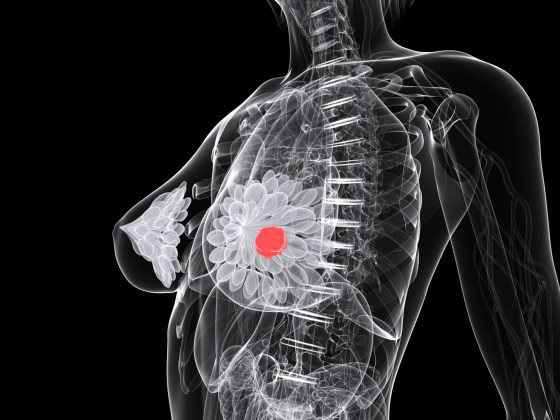
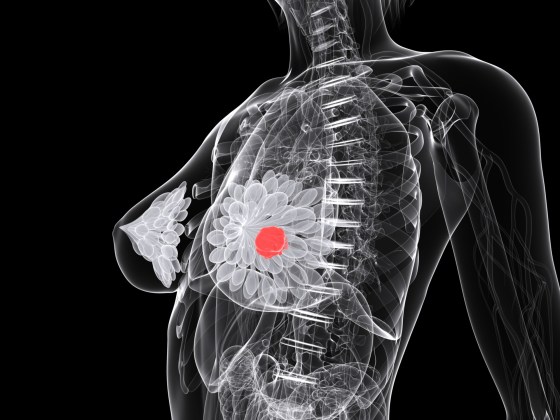
Breast cancer screening aims to catch the disease in an early stage; that is, before: 1) it is too large to allow for breast-conserving management; and 2) before it has time to spread to regional lymph nodes or to distant sites of the body (such as the bones, lungs, liver, or brain).